
Last updated:
You've got two weeks in New Zealand and a list that includes Hobbiton, Rotorua, Milford Sound, and Queenstown. On paper it fits. On a map, the country looks small enough to knock off in a fortnight. That's the trap — and it's the most common planning mistake we see from first-time visitors trying to squeeze both islands into a 2-week New Zealand trip.
I've lived here and driven these roads more times than I can count. The honest advice I'd give you over a flat white: pick one island for your 14 days and do it properly. This guide explains why — drive times, ferries, weather, and what you actually lose when every day is a relocation.
Bottom line: Two weeks in New Zealand is enough for something great — not everything. One island, well paced, beats both islands in a blur.
Why does the map lie about New Zealand?
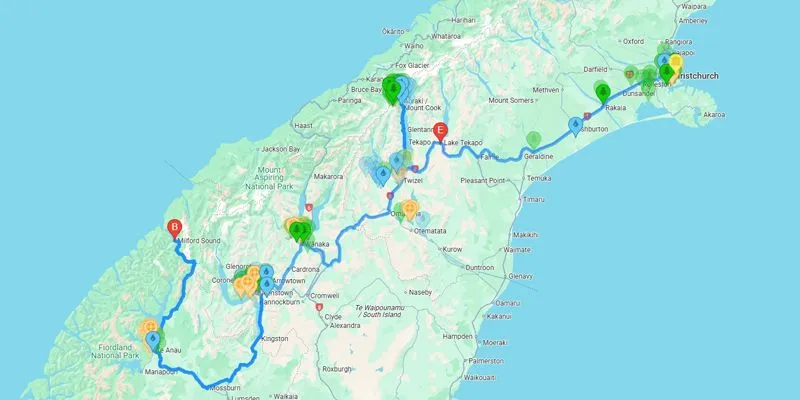
On a world map, New Zealand looks like two tidy islands you could cross in an afternoon. In reality the country is long and narrow — Cape Reinga to Bluff is over 2,000 km and more than 30 hours of non-stop driving, plus a ferry crossing if you're linking both islands.
New Zealand is roughly the size of the UK or Italy. You wouldn't try to see all of Italy in 10 days and still expect long lunches in Tuscany. Same logic applies here. For the bigger picture on trip length, see our New Zealand travel tips FAQ — especially the section on whether two weeks is enough.
What does a rushed "both islands" itinerary look like?
A typical "North and South Island in 12 days" plan goes something like this:
- Day 1: Land in Auckland, jet-lagged
- Day 2: Hobbiton, then drive to Rotorua
- Day 3: Rotorua geothermal sights, drive toward Tongariro
- Day 4: Drive to Wellington
- Day 5: Cook Strait ferry, then drive to Kaikōura or Christchurch
- Day 6: Arthur's Pass or West Coast push
- Day 7: Franz Josef or Fox Glacier
- Day 8: Wanaka
- Day 9: Queenstown
- Day 10: Milford Sound day trip (8+ hours return from Queenstown)
- Day 11: Drive back toward Christchurch or fly north
- Day 12: Fly home, exhausted
Notice the pattern? The main activity most days is driving. Pack, check out, sit behind the wheel for four to six hours, check in, too tired to explore. You collect windshield time, not memories.
Why is Google Maps time wrong in New Zealand?
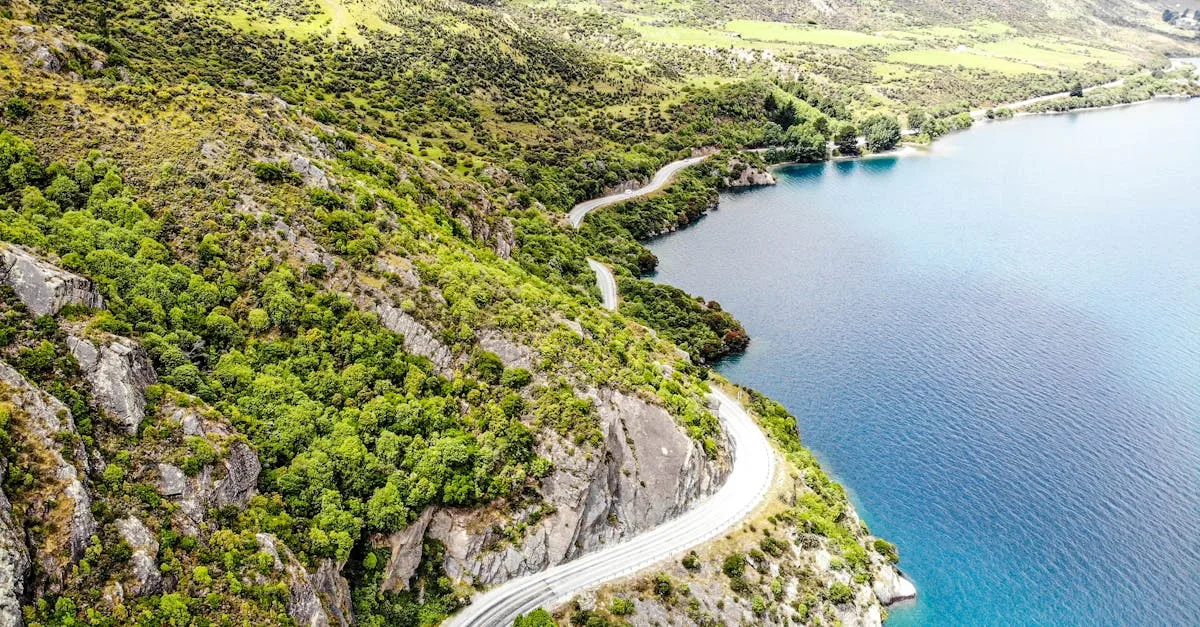
Our roads are not straight multi-lane highways. They're winding, often single-lane, climbing over mountain passes and hugging coastlines. A drive Google estimates at three hours routinely becomes four once you factor in trucks, one-lane bridges, and the photo stops you will take.
Rule of thumb: Add at least 25% to any GPS estimate for a New Zealand road trip. On alpine or West Coast routes, add more. Read our driving in New Zealand guide before you trust the ETA.
How much time does the inter-island ferry really cost?
Crossing Cook Strait from Wellington to Picton isn't a quick hop — it's a full travel day once you count everything around the sailing. Interislander and Bluebridge both run the route; the crossing itself is about 3.5 hours, but that's not the whole story.
- Morning: Pack, check out of Wellington accommodation
- Before sailing: Drive to the terminal, check in (~1 hour early in peak season)
- Crossing: ~3.5 hours on the ferry
- After arrival: Disembark, collect a rental vehicle if swapping, start driving south
- By evening: You might reach Kaikōura or Blenheim — not Queenstown
That "lost day" comes straight out of a tight fortnight. If you're weighing whether the ferry is worth it on a short trip, our travel planning FAQ covers when flying between islands makes more sense.
What happens when the weather doesn't cooperate?
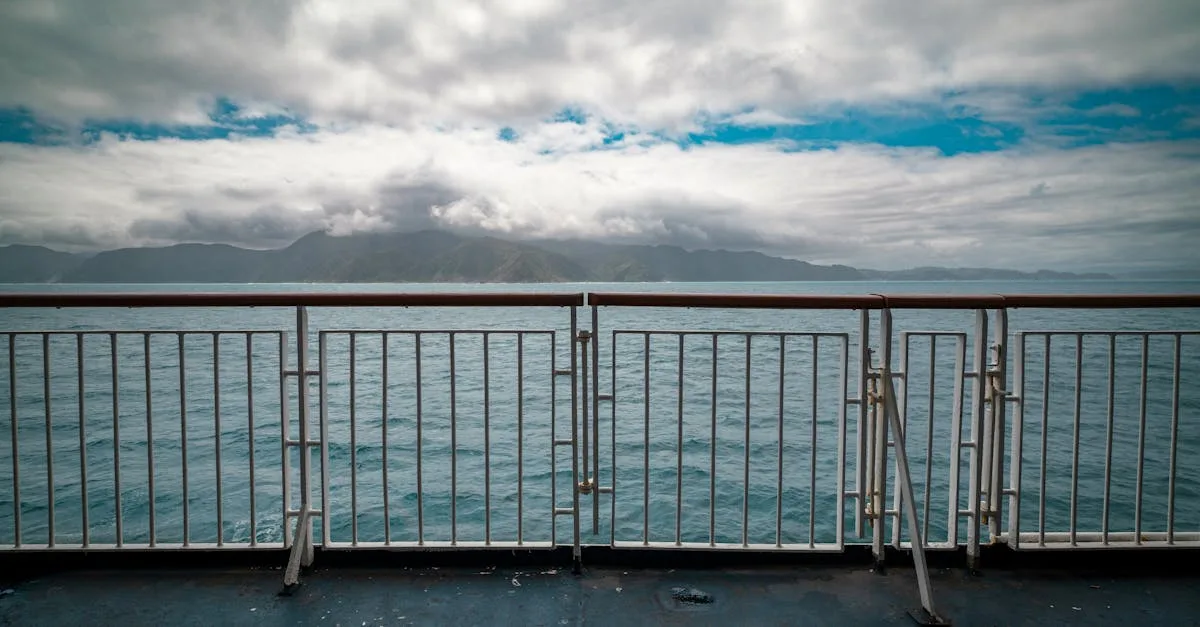
New Zealand weather changes fast. Low cloud can scrub a scenic flight. Heavy rain closes roads — especially on the West Coast. If you're in Franz Josef for one afternoon and the heli-hike gets cancelled, a packed itinerary has no buffer. You drive on disappointed. A slower plan lets you wait a day, swap activities, or take the walk instead of the flight when conditions improve.
Will you see everything but experience nothing?
A great holiday isn't a checklist of car-park photos. Compare two approaches to the same lake:
- Rushed trip: Pull in, snap a photo, drive on because the next hotel is three hours away
- Slower trip: Arrive with time to kayak, walk the shore track, sit with a coffee, and actually feel the place
Both trips visit the lake. Only one gives you a story to tell.
Which island should you pick for 2 weeks?
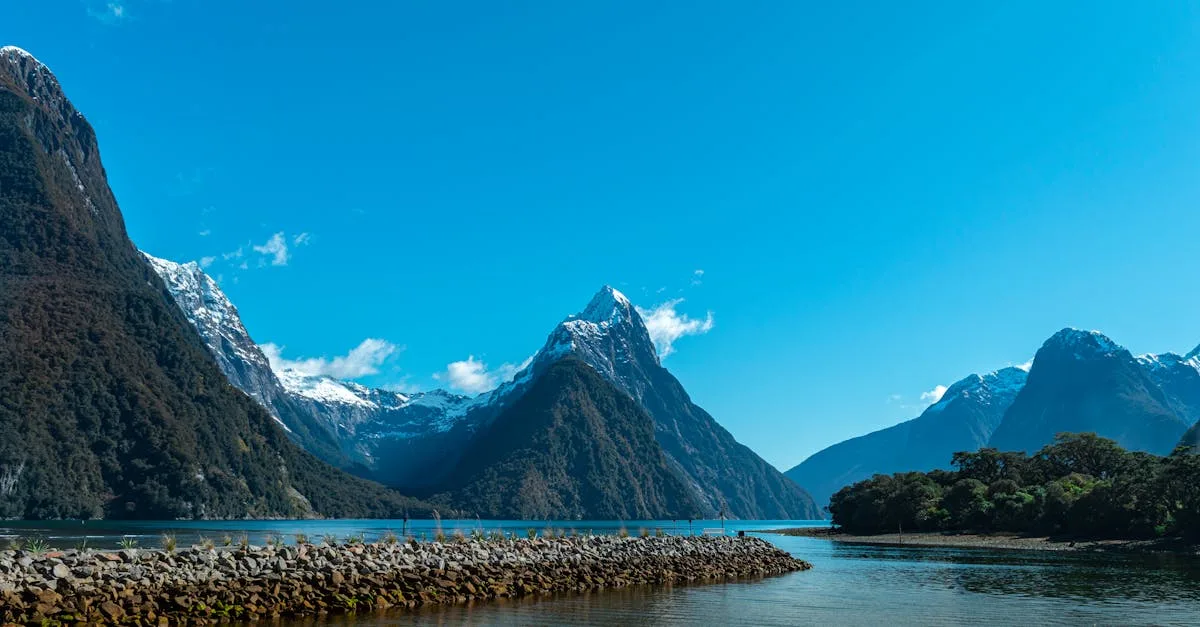
So how do you choose? It depends what you came for — not what looks best on a Pinterest board.
North Island
- Best for: Geothermal Rotorua, Tongariro National Park, Māori culture, golden beaches, Hobbiton
- Highlights: Auckland to Coromandel, Rotorua to Taupō, Wellington in a relaxed loop
- Ideal if: You want variety — cities, culture, volcanoes, and coast in one island
South Island
- Best for: Alpine scenery, glaciers, Milford Sound, Great Walks, Queenstown adventures
- Highlights: Lake Tekapo, Aoraki/Mount Cook, Wanaka, Fiordland, Abel Tasman
- Ideal if: Mountains, fiords, and big landscapes are the main draw
Good fit for: Still torn? Our North Island vs South Island guide walks through the trade-offs. Once you've picked, map a realistic route with our 7, 14, and 21-day itinerary plans.
"But I have to see Hobbiton and Milford Sound!" — I hear you. It's better to have one deep, rewarding island trip and save the other for next time than two rushed passes where you're mostly watching scenery through a windscreen. LOTR fans with a fixed fortnight might prefer our Lord of the Rings 2-week itinerary, which makes deliberate choices instead of trying to do it all.
The best 2 weeks in New Zealand on one island isn't about kilometres covered. It's about memories — the walk you had time for, the town you stayed two nights in, the day you changed plans because the sun came out.
Frequently asked questions
How many days do you need for 2 weeks New Zealand one island?
Most first-time visitors need at least 10–14 days for one island at a comfortable pace. Shorter trips work if you focus on one region, not the whole country.
What is the best month to visit New Zealand?
December–February is peak summer; March–May and September–November are shoulder seasons with fewer crowds. Winter suits skiing and hot pools.
Should you book accommodation in advance?
Yes for summer, Queenstown, and popular tracks. Shoulder season is more flexible, but rental cars and campervans still book out.
Is a campervan worth it for New Zealand?
Campervans suit travellers who want flexibility and are happy driving daily. Compare cost with car plus motels — and read freedom camping rules first.
Do you need a visa to visit New Zealand?
Many visitors need an NZeTA or visa depending on nationality. Check Immigration New Zealand before you book flights.
Official sources: Immigration NZ visitor visas and NZeTA, Tourism New Zealand trip planning, MetService weather forecasts.
Related New Zealand travel guides
- New Zealand travel tips FAQ
- 7, 14, and 21-day itinerary plans
- North Island vs South Island
- Best time to visit by season
Need help planning your New Zealand trip?
You know one island is the move — now build a route that actually fits. Excursion NZ maps attractions between your start and destination, estimates realistic drive times, and helps you pick stops without spreadsheet gymnastics.
Enter where you're starting, where you're heading, and choose the sights you care about. We'll show you what fits in your fortnight — so your New Zealand itinerary starts with a doable plan, not a wish list that needs three weeks and a helicopter.
Plan your New Zealand adventure
Use our interactive NZ travel map to discover attractions and plan realistic drive times along your route.
Create a travel plan