

Last updated:
Planning your first trip to New Zealand? You probably have a dozen tabs open — flights, campervan quotes, and a map with more pins than you have vacation days. Fair enough. This FAQ covers the New Zealand travel tips first-time visitors ask us most: when to go, how to get around, whether a campervan makes sense, and if two weeks is actually enough.
Think of it as the advice we’d give you over a flat white before you book anything. No brochure speak — just straight answers so you can plan a road trip in New Zealand that fits your time, budget, and tolerance for winding roads.
What is the best time to visit New Zealand?
The best month to visit New Zealand depends on what you want to do. The country runs year-round, but seasons here flip the calendar — summer is December through February, winter is June through August. For a deeper seasonal breakdown, see our guide to New Zealand seasons and weather.
Spring (September – November)
- Best for: Hiking, gardens, lamb season, fewer crowds
- Weather: Mild with some rain; wildflowers in alpine areas
- Highlights: Lower accommodation rates than peak summer
Summer (December – February)
- Best for: Beaches, camping, long daylight hours, festivals
- Weather: Warmest in the North Island; South Island still cool at night
- Highlights: Abel Tasman, Tongariro National Park, and Queenstown at full pace — book early
Good fit for: First-time visitors, families, and anyone planning outdoor activities.
Autumn (March – May)
- Best for: Wine regions, scenic drives, photography
- Weather: Stable and mild; Central Otago and Arrowtown turn gold
- Highlights: Harvest season in Marlborough and Central Otago
Winter (June – August)
- Best for: Skiing, snowboarding, hot pools
- Weather: Coldest in the South Island; North Island milder
- Highlights: Queenstown, Wanaka, and Mt Ruapehu ski fields; shorter queues at major sights
Rule of thumb: February and March are the best all-round months for a first New Zealand holiday — summer weather without the Christmas-January peak crowds and prices.
What is the best way to travel around New Zealand?
There is no single answer — it depends on your budget, how much time you have, and whether you’re happy behind the wheel. Most international visitors end up on a self-drive New Zealand road trip; here’s how the options compare.
Self-drive (car or campervan)
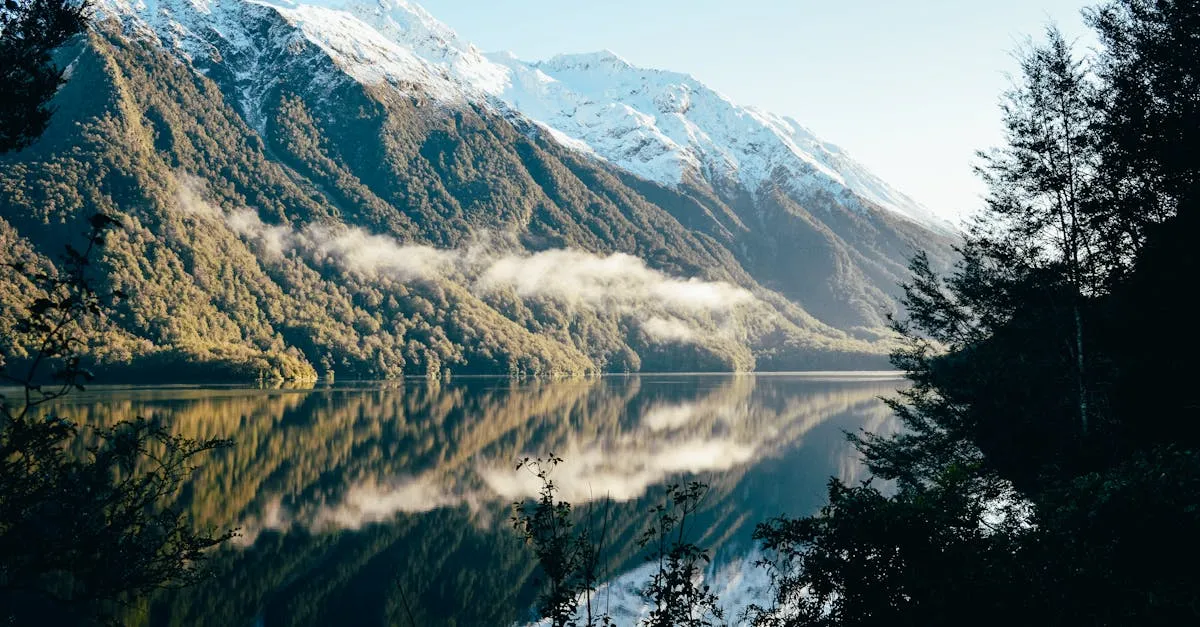
Renting a car or campervan in New Zealand is the most flexible way to reach national parks, small towns, and photo stops that buses skip. You set the pace — which matters, because you will stop for photos more than you planned.
- Ideal for: Couples, families, and anyone who wants a classic NZ road trip
- Pros: Freedom, scenic detours, access to DOC campsites and remote coastlines
- Cons: Driving on the left if you’re not used to it; fuel adds up; GPS times are optimistic
Pro tip: Read our driving in New Zealand guide before you pick up keys — one-lane bridges and winding State Highways catch people off guard.
Bus and coach tours
InterCity, GreatSights, and hop-on-hop-off operators like Kiwi Experience and Stray cover most tourist routes without you touching a steering wheel.
- Ideal for: Solo travellers and backpackers on a budget
- Pros: Affordable, social, no navigation stress
- Cons: Fixed schedules; less room for spontaneous stops
Scenic trains
New Zealand’s rail network is small but spectacular. The TranzAlpine (Christchurch–Greymouth), Northern Explorer (Auckland–Wellington), and Coastal Pacific are worth a leg of your trip — not a full replacement for driving.
Domestic flights
Air New Zealand and Jetstar link Auckland, Wellington, Christchurch, and Queenstown in about an hour. Useful if you’re skipping the long drive between islands or short on time — book early for better fares.
Ferry between islands
To take a vehicle from the North Island to the South Island (or vice versa), you’ll cross Cook Strait by ferry. Interislander and Bluebridge run between Wellington and Picton — roughly 3.5 hours of genuinely scenic travel. Reserve ahead in summer.
Bottom line: For most first-time visitors, a car or campervan road trip plus one domestic flight or ferry leg is the sweet spot. Buses fill the gaps if you don’t want to drive every day.
How do you travel New Zealand in a campervan?
A campervan road trip in New Zealand rolls transport and accommodation into one — wake up near a beach, brew coffee, and roll on. It’s popular for good reason, but it’s not plug-and-play. Plan your route, know the camping rules, and don’t pack like you’re moving house.
For rental companies, vehicle types, and first-timer logistics, our campervan rental guide goes deeper than we can here.
Step 1: Plan your route
Popular New Zealand itineraries by campervan:
- Both islands: Auckland → North Island loop → Wellington → ferry → South Island → Queenstown
- South Island loop: Christchurch → Lake Tekapo → Queenstown → Milford Sound → West Coast glaciers → Abel Tasman
- North Island loop: Auckland → Coromandel → Rotorua → Taupō → Wellington
Book your Cook Strait ferry early if you’re crossing between islands.
Step 2: Choose the right van
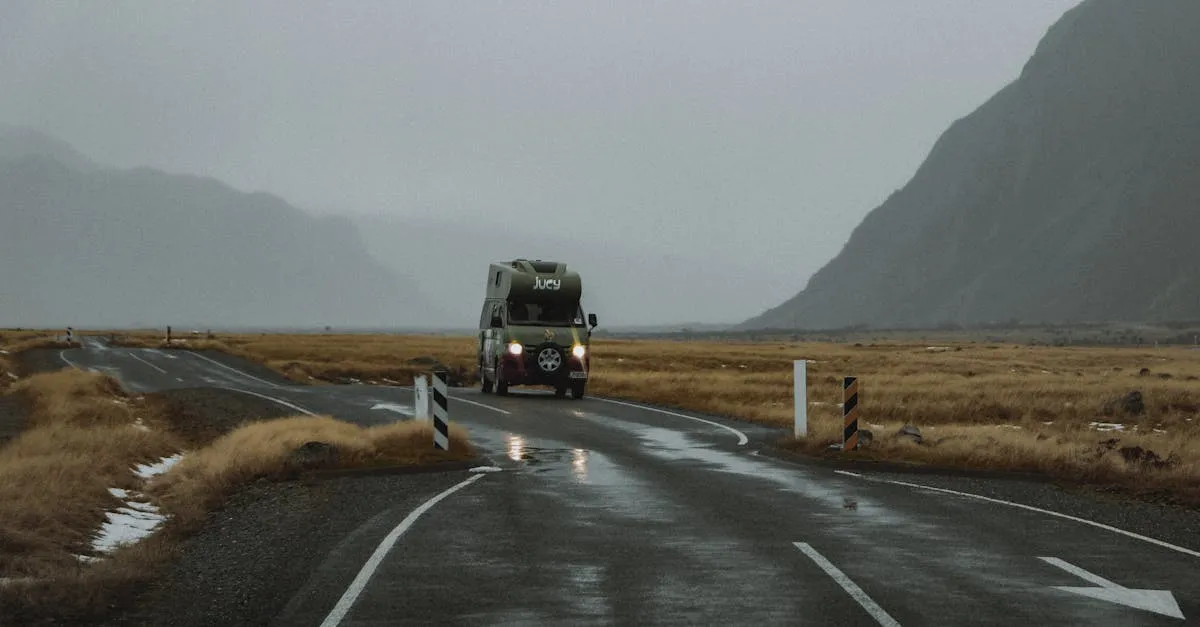
- Basic vans: Compact and budget-friendly (Jucy, Spaceships, Mad Campers)
- Self-contained vans: Toilet and water on board — required for many freedom camping spots
- Motorhomes: Full kitchen and shower; easier for families, harder on narrow roads
Step 3: Know where you can sleep
- Holiday parks: Powered sites, kitchens, showers — best for beginners
- DOC campsites: Department of Conservation sites; often scenic and affordable
- Freedom camping: Only in designated areas, and usually only in certified self-contained vehicles
Use CamperMate, Rankers, or WikiCamps to find legal overnight spots. Rules vary by council — our freedom camping in New Zealand guide explains what you need to know.
Step 4: Follow the rules
- Drive on the left
- Camp only where signs (and your app) say you can
- Use dump stations for waste — don’t skip this
- Leave no trace; take rubbish with you
Step 5: Pack for four seasons in one week
- Stock food and fuel in larger towns — prices jump in remote areas
- Layer up; weather changes fast, especially in the South Island
- Get a local SIM or eSIM before you leave Auckland or Christchurch
Final tip: The best parts of a campervan trip often sit between the famous stops. Leave blank space in your itinerary — that’s where the good stuff hides.
Is 2 weeks enough for New Zealand?
Yes — two weeks in New Zealand is worth it. It’s enough to explore one island properly or sample both at a sensible pace. It is not enough to “do all of New Zealand” without living in your car and eating petrol station pies for dinner.
If you’re torn between islands, read North Island vs South Island. Trying to cram both into under 14 days? We explain why that usually backfires in this post.
What you can realistically cover in 14 days
- Iconic highlights: Rotorua, Hobbiton, Queenstown, Milford Sound, Abel Tasman
- Mix of driving, short walks, and a few booked activities
- Two-night stays in key towns so you’re not packing every morning
Sample itinerary: North and South Island sampler
- Days 1–3: Auckland, Hobbiton, Rotorua
- Days 4–5: Fly to Queenstown
- Days 6–8: Queenstown and Milford Sound
- Days 9–10: Wanaka and Aoraki/Mount Cook
- Days 11–12: Lake Tekapo, Christchurch
- Days 13–14: Buffer day, fly home
Sample itinerary: South Island road trip
- Days 1–2: Christchurch to Lake Tekapo
- Days 3–4: Mount Cook and Wanaka
- Days 5–6: Queenstown and Glenorchy
- Days 7–8: Te Anau and Milford Sound
- Days 9–10: West Coast glaciers
- Days 11–12: Punakaiki and Abel Tasman
- Days 13–14: Kaikoura or Nelson, return to Christchurch
Want longer plans? We’ve mapped out 7, 14, and 21-day New Zealand itineraries for different travel styles.
Rule of thumb: Two weeks is enough for something great — not everything. Pick a island (or mostly one), drive slow, and leave room for detours.
Official sources: Immigration NZ visitor visas and NZeTA, Tourism New Zealand trip planning, MetService weather forecasts.
Related New Zealand travel guides
- 7, 14, and 21-day itinerary plans
- North Island vs South Island
- Why not both islands in 2 weeks
- Best time to visit by season
Need help planning your New Zealand trip?
You’ve got the FAQ answers — now turn them into an actual route. Excursion NZ maps attractions between your start point and destination, estimates drive time, and helps you build a day-by-day plan without spreadsheet gymnastics.
Enter where you’re starting, where you’re heading, and pick the stops you care about. We’ll show you what fits — so your New Zealand travel planning starts with a realistic road trip, not a wish list that needs three weeks and a helicopter.
Plan your New Zealand adventure
Use our interactive NZ travel map to discover attractions and plan realistic drive times along your route.
Create a travel plan