
Last updated:
Choosing between options for North Island vs South Island? Side-by-side comparisons save you from trying to do both and enjoying neither. This page is built for that decision.
Think of it as the advice we'd give you over a flat white before you lock in bookings: honest pacing, real place names, and links to deeper guides when you need them.
Bottom line: Use this guide for North Island vs South Island — practical, realistic advice for your trip.
🌋 North Island: Culture, Geothermal Wonders & Coastal Escapes
The North Island is home to vibrant cities, ancient forests, bubbling hot springs, and deep Māori roots. It’s slightly more populated and warmer overall, offering a diverse mix of culture and nature.
⭐ Highlights:
- Rotorua & Taupō: Geothermal activity, mud pools, geysers, and hot springs
- Auckland: New Zealand’s largest city, with beaches, islands, and multicultural flair
- Bay of Islands: Subtropical paradise perfect for sailing and dolphin spotting
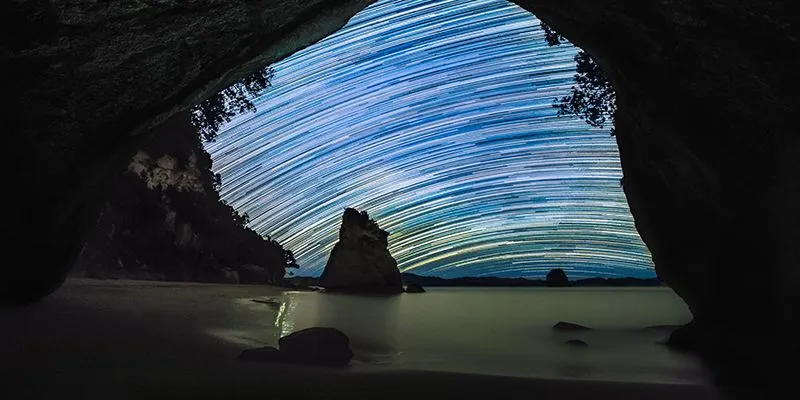
- Coromandel Peninsula: Golden beaches, Cathedral Cove, and Hot Water Beach
- Waitomo Caves: Glowworms and underground adventures
- Tongariro Alpine Crossing: One of the best day hikes in the world
- Rich Māori Culture: Cultural experiences, marae visits, and performances
🧳 Best For:
- Cultural travelers and history buffs
- Families and first-time visitors
- Beach lovers and warm-weather seekers
- People with shorter travel windows (less driving distances)
🔥 Pros:
- More accessible cities and towns
- Warmer year-round climate
- Unique volcanic landscapes
- More guided cultural activities
⚠️ Considerations:
- Less dramatic alpine scenery
- Can be busier in cities like Auckland and Rotorua
- Smaller national parks compared to the South Island
❄️ South Island: Alpine Beauty, Adventure & Untouched Wilderness
The South Island is known for its jaw-dropping natural beauty — from towering mountains and fiords to turquoise lakes and remote beaches. It’s less populated and ideal for those craving outdoor adventure or peaceful escapes.
⭐ Highlights:
- Queenstown: Adventure capital with bungy jumping, skydiving, and scenic flights
- Milford Sound: Iconic fiord cruises and kayaking in dramatic landscapes
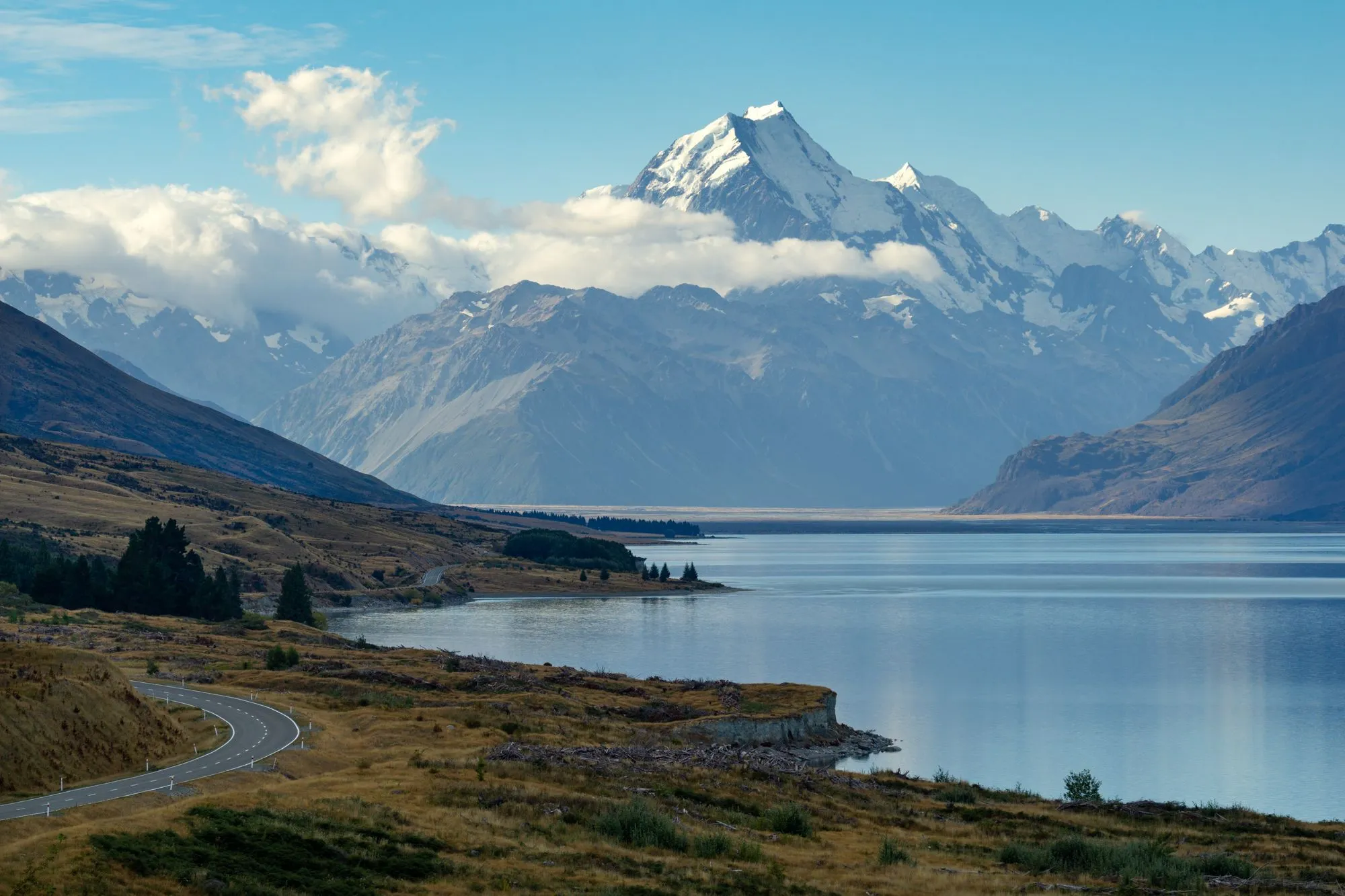
- Aoraki/Mount Cook: NZ’s highest peak, glaciers, and stargazing
- Abel Tasman National Park: Coastal hiking and kayaking in golden bays
- Franz Josef & Fox Glaciers: Accessible ice hikes and helicopter tours
- Southern Alps & Great Walks: Routeburn, Kepler, and Milford Tracks
- Marlborough: New Zealand’s most famous wine region (hello, sauvignon blanc!)
🧳 Best For:
- Outdoor adventurers and hikers
- Photographers and nature lovers
- Couples and road trippers
- Skiers and snow-seekers (in winter)
❄️ Pros:
- Breathtaking scenery and fewer crowds
- Larger national parks and alpine landscapes
- More remote, “off the beaten path” experiences
- Excellent road trip routes and scenic drives
⚠️ Considerations:
- Longer driving times between attractions
- More variable weather — pack layers!
- Fewer large cities and less nightlife
🆚 North Island vs South Island: A Quick Comparison
| Feature | North Island | South Island |
|---|---|---|
| Climate | Warmer, subtropical in the north | Cooler, more alpine |
| Best For | Culture, beaches, geothermal wonders | Mountains, fiords, adventure sports |
| Top City | Auckland | Queenstown or Christchurch |
| Best Scenic Drive | Coromandel or Bay of Islands coast | Queenstown to Milford Sound |
| Famous Hike | Tongariro Alpine Crossing | Routeburn, Kepler, or Milford Track |
| Ideal Season | Year-round (warmer winters) | Summer (Dec–Feb) or autumn (Mar–May) |
| Travel Style | Easy-access, short stays, guided tours | Road trips, multi-day hikes, slower pace |
🤔 Can’t Choose? Visit Both!
If your itinerary allows, traveling both islands is a fantastic option. You can:
- Fly into Auckland (North Island) and explore geothermal wonders and Māori culture
- Then drive or fly south to Queenstown or Christchurch to explore mountains and adventure capital
A good rule of thumb:
North Island = Culture + Coast
South Island = Nature + Mountains
💭 Final Thoughts
Ultimately, choosing between the North and South Islands comes down to the kind of experience you want. If you’re short on time, the North Island offers an easy, diverse introduction to New Zealand. If you want wild, cinematic landscapes and outdoor thrills, head straight to the South Island. And if you have the chance? Explore both — they complement each other beautifully.
Frequently asked questions
Which island is better for first-time visitors?
Neither is “better” — they are different. The North Island has geothermal culture and shorter drives; the South Island has alpine scenery and longer distances.
Is the South Island more scenic than the North?
The South Island is famous for fiords and Alps, but the North has volcanoes, beaches, and Māori culture. Pick based on your interests and trip length.
How do you travel between islands?
Most visitors take the Interislander or Bluebridge ferry across Cook Strait, or fly between Wellington, Christchurch, and Queenstown.
How many days do you need per island?
Allow at least 7–10 days per island for a relaxed road trip. Less than a week on one island still works if you focus on one region.
Official sources: Immigration NZ visitor visas and NZeTA, Tourism New Zealand trip planning, MetService weather forecasts.
Related New Zealand travel guides
- New Zealand travel tips FAQ
- 7, 14, and 21-day itinerary plans
- Why not both islands in 2 weeks
- Best time to visit by season
Need help planning your New Zealand trip?
Excursion NZ maps attractions between your start and end points, estimates realistic drive times, and helps you build a day-by-day plan without spreadsheet gymnastics.
From there you can select what attractions you want to see and we provide you with a plan including the travel time required.
Plan your New Zealand adventure
Use our interactive NZ travel map to discover attractions and plan realistic drive times along your route.
Create a travel plan