
Last updated:
Sorting out best time to visit New Zealand? You're not alone — most visitors underestimate distances, seasons, and how much fits in a fortnight. This guide lays out what actually works on the ground.
Think of it as the advice we'd give you over a flat white before you lock in bookings: honest pacing, real place names, and links to deeper guides when you need them.
Bottom line: Use this guide for best time to visit New Zealand — practical, realistic advice for your trip.
🌸 Spring (September to November)
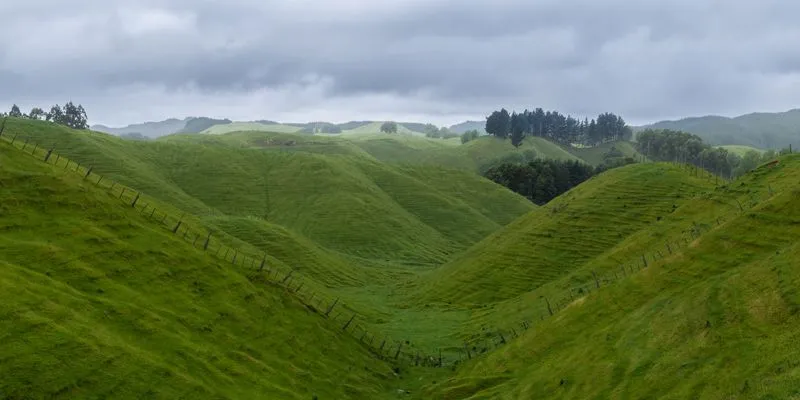
Spring in New Zealand is a time of renewal — lambs dot the hillsides, cherry blossoms bloom in parks, and waterfalls surge with snowmelt. It’s also a great shoulder season with fewer crowds and fresh greenery everywhere you go.
What to Expect:
- Daytime Temperatures: 16 – 19˚C (61 – 66˚F)
- Landscapes: Lush, vibrant, and full of life
- Crowds: Low to moderate
- Pricing: Shoulder season rates
Best For:
- Hiking in lower elevations
- Seeing newborn wildlife
- Visiting gardens and parks (e.g., Hamilton Gardens, Christchurch Botanic Gardens)
Bonus Tip:
Although the weather is generally mild, spring can still be unpredictable — pack layers and a rain jacket just in case.
☀️ Summer (December to February)
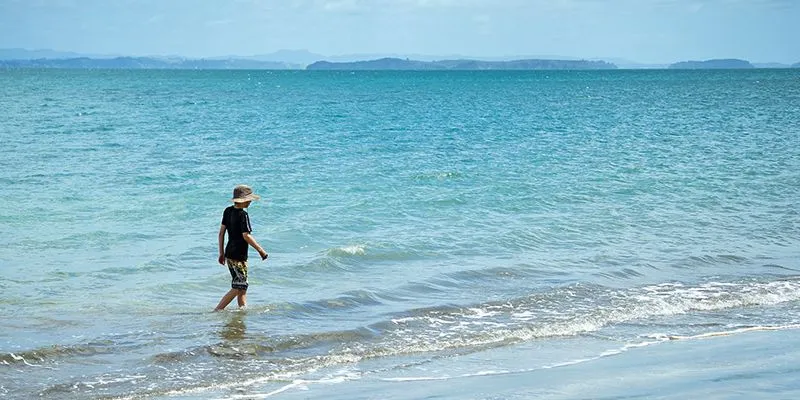
Summer is peak travel season in New Zealand. The days are long, warm, and perfect for road trips, water sports, and beach days. However, it’s also the busiest time, so you’ll need to plan ahead for accommodation and activities.
What to Expect:
- Daytime Temperatures: 20 – 25˚C (68 – 77˚F)
- Daylight: Up to 15 hours
- Crowds: High, especially in hotspots like Queenstown, Rotorua, and Abel Tasman
- Pricing: High season rates
Best For:
- Beach holidays and water activities
- Hiking alpine tracks like the Routeburn or Tongariro Crossing
- Attending summer festivals and outdoor events
Bonus Tip:
Book popular Great Walks and campsites several months in advance — especially between Christmas and mid-January when Kiwis also travel domestically.
🍂 Autumn (March to May)
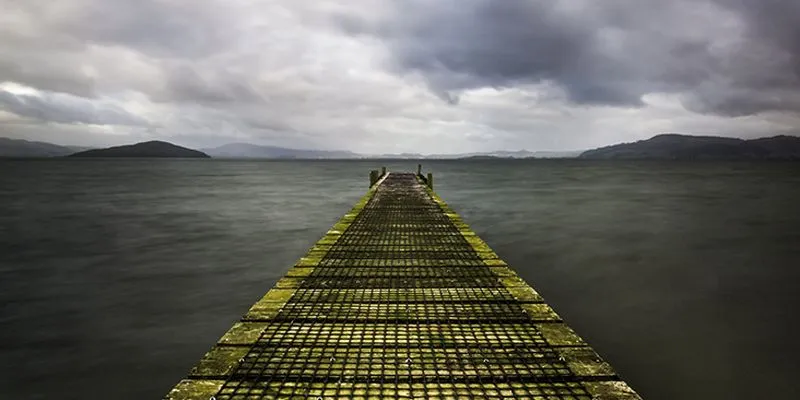
Autumn is arguably one of New Zealand’s most underrated seasons. The weather is still pleasant, summer crowds fade, and the landscape transforms with golden and crimson hues — especially in Central Otago and Hawke’s Bay.
What to Expect:
- Daytime Temperatures: 17 – 21˚C (62 – 70˚F)
- Weather: Calm and settled
- Crowds: Low
- Pricing: Lower accommodation and activity costs
Best For:
- Wine-tasting tours in regions like Marlborough and Waiheke Island
- Autumn foliage photography
- Tranquil hikes with fewer people on the trail
Bonus Tip:
It’s the perfect season for foodies — local produce is at its peak, and wineries often host harvest events.
❄️ Winter (June to August)
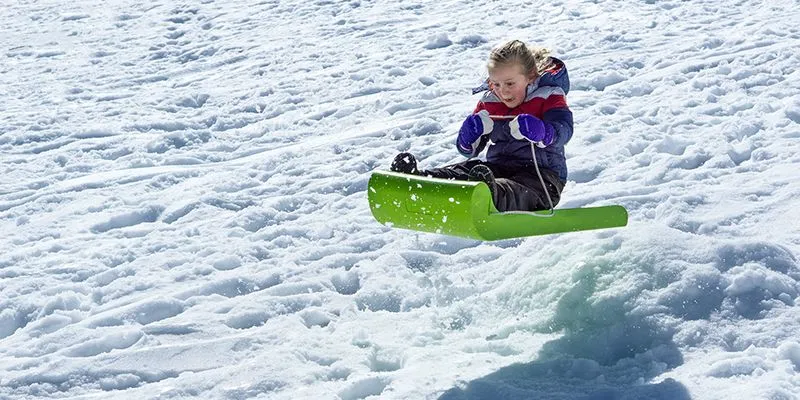
Winter brings snow to the mountains and a different kind of magic to New Zealand. While the coasts stay mild, the central and southern regions transform into winter wonderlands. It’s also the best time for skiing, snowboarding, and soaking in thermal hot springs.
What to Expect:
- Daytime Temperatures: 12 – 16˚C (53 – 61˚F)
- Snow: Common in Central Plateau and Southern Alps
- Crowds: High in ski towns, low elsewhere
- Pricing: Off-season deals (except in ski destinations)
Best For:
- Snow sports in Queenstown, Wanaka, and Mt. Ruapehu
- Relaxing in geothermal spas (e.g., Rotorua or Hanmer Springs)
- Stargazing in places like Tekapo and Aoraki/Mount Cook
Bonus Tip:
While some mountain passes may close due to snow, rental cars often come with chains. Always check road conditions before setting out.
🗓️ So, When Is the Best Time to Visit New Zealand?
It depends on your travel goals:
| Travel Style | Best Season |
|---|---|
| Hiking & Adventure | Late Spring (Nov) or Summer (Dec–Feb) |
| Beach & Water Activities | Summer (Dec–Feb) |
| Wine & Food Tours | Autumn (Mar–May) |
| Budget Travel | Autumn or Late Winter (May–Sept) |
| Snow Sports | Winter (Jun–Aug) |
| Fewer Crowds | Spring or Autumn |
💭 Final Thoughts
New Zealand is beautiful year-round — it’s all about matching the season to your experience. Whether you’re chasing summer sun, autumn colors, or winter snow, each time of year brings its own charm. So, don’t just ask when to visit — ask what kind of trip you want to have.
Frequently asked questions
How many days do you need for best time to visit New Zealand?
Most first-time visitors need at least 10–14 days for one island at a comfortable pace. Shorter trips work if you focus on one region, not the whole country.
What is the best month to visit New Zealand?
December–February is peak summer; March–May and September–November are shoulder seasons with fewer crowds. Winter suits skiing and hot pools.
Should you book accommodation in advance?
Yes for summer, Queenstown, and popular tracks. Shoulder season is more flexible, but rental cars and campervans still book out.
Is a campervan worth it for New Zealand?
Campervans suit travellers who want flexibility and are happy driving daily. Compare cost with car plus motels — and read freedom camping rules first.
Do you need a visa to visit New Zealand?
Many visitors need an NZeTA or visa depending on nationality. Check Immigration New Zealand before you book flights.
Official sources: Immigration NZ visitor visas and NZeTA, Tourism New Zealand trip planning, MetService weather forecasts.
Related New Zealand travel guides
- New Zealand travel tips FAQ
- 7, 14, and 21-day itinerary plans
- North Island vs South Island
- Why not both islands in 2 weeks
Need help planning your New Zealand trip?
Excursion NZ maps attractions between your start and end points, estimates realistic drive times, and helps you build a day-by-day plan without spreadsheet gymnastics.
From there you can select what attractions you want to see and we provide you with a plan including the travel time required.
Plan your New Zealand adventure
Use our interactive NZ travel map to discover attractions and plan realistic drive times along your route.
Create a travel plan