
Last updated:
A self-drive road trip is, without question, the single best way to experience the wild, breathtaking beauty of New Zealand. The freedom to pull over at a stunning viewpoint, discover a hidden beach, and travel at your own pace is unbeatable. But here’s the honest truth: driving in New Zealand is different. Our roads are not like the multi-lane motorways of North America, Europe, or Asia. They are narrower, hillier, and far more winding than you can imagine.
This isn’t to scare you, but to prepare you. I’ve seen countless tourists white-knuckling their steering wheels, stressed and overwhelmed. This is the cheat sheet I wish someone had given me on my first big Kiwi road trip. These are the essential rules and unwritten tips that will make your journey safer, less stressful, and infinitely more enjoyable.
1. We Drive on the LEFT
Let’s start with the most important rule of all. In New Zealand, we drive on the left-hand side of the road. If you’re from the UK, Australia, or Japan, you’re all good. For everyone else, this takes constant concentration.
- Easy mantra: As the driver, your body should always be in the centre of the road. If you’re near the loose gravel on the shoulder, you’re on the wrong side!
2. Google Maps is a Liar (Sort Of)
Google Maps is an essential tool here, but you cannot trust its time estimates. A 100km journey might say it takes 1 hour 15 minutes, but in reality, it will almost always take longer.
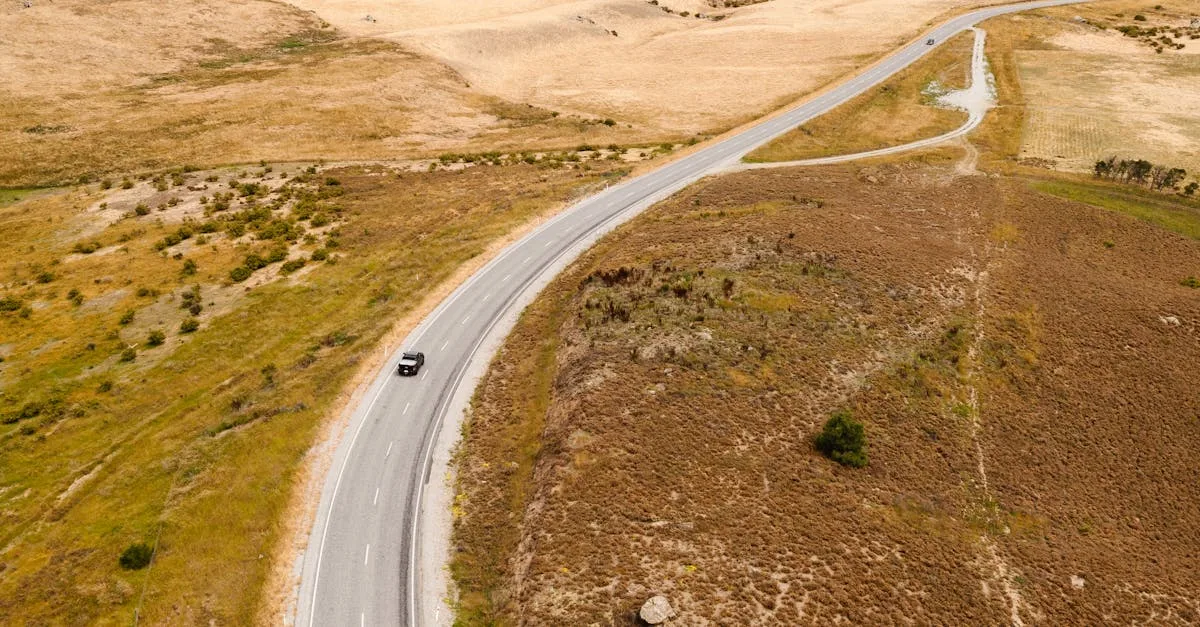
- The Rule of Thumb: Add at least 20-25% to any travel time estimated by a GPS. A 2-hour drive will likely take 2.5 hours. This accounts for winding roads where you can’t hit the speed limit, getting stuck behind a slow truck, and of course, stopping for photos (which you will do, a lot).
3. Our “Highways” Aren’t Your Highways
When you see “State Highway 1” (SH1), don’t picture a six-lane superhighway. The vast majority of New Zealand’s highways are single-lane in each direction, often with no barrier in between. They are well-maintained, but they demand your full attention.
4. One-Lane Bridges are Real (and Terrifying at First)
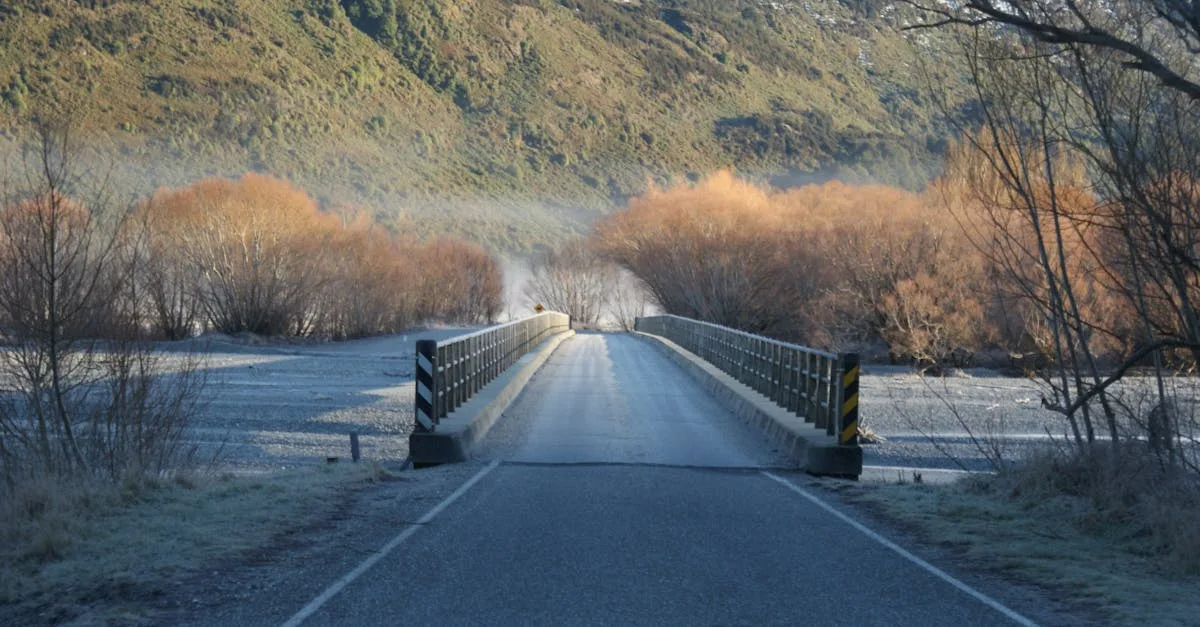
Yes, you read that right. On many major tourist routes (especially the South Island’s West Coast), you will encounter one-lane bridges that are shared by traffic going in both directions.
- How they work: Look at the signs. A large, thick black arrow shows which direction has the right of way. A smaller, red arrow shows which direction must GIVE WAY.
- The rule: Slow down significantly as you approach. If you have the red arrow, you must stop and wait for any oncoming traffic to cross before you proceed.
5. Be Patient: Overtaking is Rare and Risky
Because our highways are mostly single-lane and winding, there are very few safe places to overtake. Do not get impatient and try to overtake on a blind corner. Wait for a designated passing lane, which are clearly signposted straight sections of road that appear every so often.
6. “Look for a Lay-by”: The Art of Pulling Over
This is the #1 unwritten rule of Kiwi driving etiquette. Are you driving a big campervan or are you a nervous driver taking it slow? That’s completely fine! But if you look in your rearview mirror and see a line of 5 or 6 cars behind you, you are legally required to find the next safe place to pull over and let them pass.
- What to do: Look for a “lay-by” (a gravel rest area on the side of the road) or a slow vehicle bay. Indicate, pull over safely, and let the traffic flow past. You’ll probably get a friendly toot of the horn as a thank you.
7. The Speed Limit is a Limit, Not a Target
The open road speed limit is 100 km/h. On many of our winding roads, trying to drive at this speed is unsafe and impossible. Drive at a speed that is comfortable and safe for the conditions. A sign with a corner and “35” in yellow is not a speed limit, but a recommended safe speed for that corner. Heed its advice.
8. Gravel Roads Often Lead to the Best Places
Many of New Zealand’s most beautiful beaches, trailheads, and campsites are at the end of an unsealed (gravel) road. Drive slowly and carefully on these.
- Crucial Tip: Before you venture onto a gravel road, check your rental car agreement. Many standard rental agreements prohibit driving on unsealed roads, and doing so can void your insurance.
9. Fill Up With Petrol When You See It
In many parts of the South Island, petrol stations can be 100-200km apart. The golden rule is to never let your tank get below a quarter full. If you see a petrol station and you’re at half a tank, just fill it up.
10. Animals on the Road are Not a Myth
You might come around a corner in a rural area and be faced with a flock of sheep or a herd of cows being moved by a farmer. Slow down, stop if you have to, and enjoy the authentic Kiwi experience.
Your Adventure Awaits
Driving in New Zealand is an adventure in itself. It’s not a race. The journey is just as important as the destination. By being prepared, staying patient, and driving courteously, you’ll have the road trip of a lifetime.
Frequently asked questions
Which side of the road do you drive on in New Zealand?
You drive on the left. If you are used to right-hand traffic, take extra care at intersections and when pulling out of parking spaces.
Are New Zealand roads hard for tourists?
They are slower than they look on a map — narrow, winding, and often one lane each way. Build in buffer time and avoid night driving in unfamiliar areas.
Do you need an International Driving Permit in NZ?
If your licence is not in English, you need an approved translation or International Driving Permit. Carry your home licence and passport when driving.
How do one-lane bridges work in New Zealand?
Smaller bridges have signs showing who has priority. Slow down, watch for oncoming traffic, and yield when the sign tells you to.
Can rental cars drive on gravel roads?
Often no. Check your rental agreement — many standard policies exclude unsealed roads and insurance may not apply if you ignore that.
Official sources: NZTA visiting driver guide, Drive.govt.nz road rules, NZTA highway information and road closures.
Related New Zealand travel guides
Need help planning your New Zealand trip?
Excursion NZ maps attractions between your start and end points, estimates realistic drive times, and helps you build a day-by-day plan without spreadsheet gymnastics.
From there you can select what attractions you want to see and we provide you with a plan including the travel time required.
Plan your New Zealand adventure
Use our interactive NZ travel map to discover attractions and plan realistic drive times along your route.
Create a travel plan