


Last updated:
Researching Hot Water Beach vs Cathedral Cove usually means you're building a North Island loop from Auckland or Wellington. This region packs geothermal areas, beaches, and Māori culture into relatively short drives.
We'll skip the brochure superlatives and focus on timing, stops, and how this fits a wider New Zealand plan — including when to fly south instead of ferrying.
Bottom line: Use this guide for Hot Water Beach vs Cathedral Cove — practical, realistic advice for your trip.
All About Hot Water Beach
The Experience: This is pure geothermal magic. Thanks to underground thermal rivers, you can dig into the sand and create your own personal hot tub as the volcanically heated water bubbles up from below. It’s a rustic, natural spa experience unlike any other, where you can relax in steaming water just metres from the cool Pacific surf.
The Golden Rule: Tides are Everything. You can only access the hot water for a limited time: two hours on either side of low tide. Outside of this four-hour window, the area with the hot springs is underwater. This is non-negotiable. Trying to visit at high tide will only result in a nice, but normal, beach walk.
- What You’ll Need: A spade is essential! You can rent one from the local cafes and surf shops for a few dollars. Don’t forget your togs (swimsuit) and a towel.
The Majesty of Cathedral Cove
The Experience: Cathedral Cove (Te Whanganui-A-Hei) is the poster child of the Coromandel. It’s a vast, naturally formed limestone arch that connects two secluded coves. Walking through the cavernous opening to the pristine beach on the other side feels like stepping into another world (or a scene from the Chronicles of Narnia, which was filmed here).
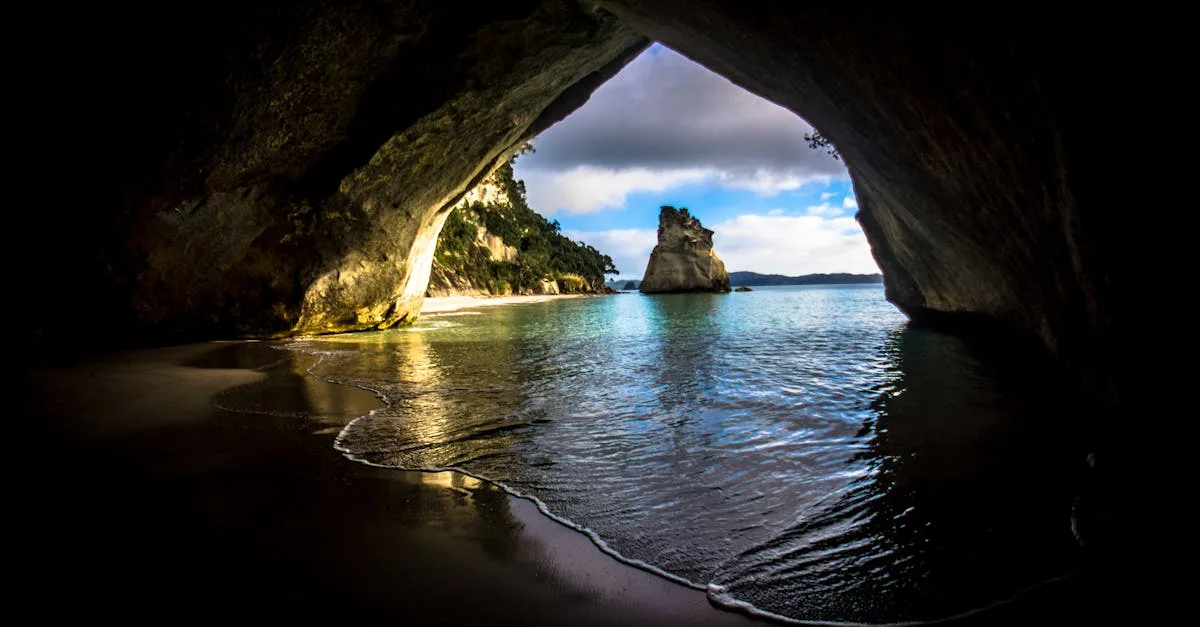
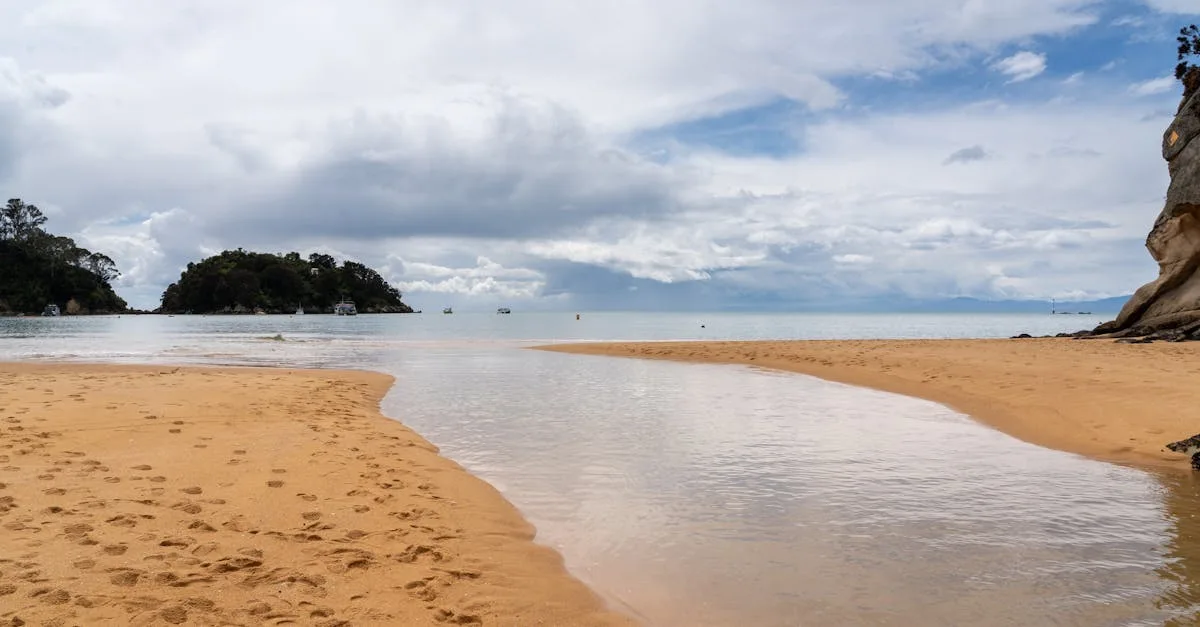
The Crucial Part: How to Get There in 2025. Access to the cove has changed significantly due to storm damage to the original walking track. It is vital you know the current options:
- By Sea (The Recommended Way): The easiest and most scenic way to arrive is by boat. Water taxis and tour boats leave regularly from Hahei Beach. This is a quick, stunning 10-minute trip along the coast.
- By Kayak: For the more adventurous, joining a guided kayak tour from Hahei Beach is an incredible experience. You get to explore the coastline’s caves and coves before landing on the beach.
- On Foot: The original clifftop track from the Grange Road car park remains closed. However, you can still walk via a newer, longer track that starts at the northern end of Hahei Beach. Be prepared for a 45-60 minute walk each way with some hills.
The Verdict: Which to Visit First?
Here’s the simple, unbreakable rule for planning your day:
Plan your entire schedule around LOW TIDE at Hot Water Beach.
Hot Water Beach has a fixed, four-hour window of opportunity determined by nature. Cathedral Cove, especially now that access is primarily by boat or a longer walk, is much more flexible.
Therefore, the tide chart dictates your day.
Scenario 1: Low Tide is in the Morning (e.g., 9:00 AM)
- Visit Hot Water Beach first. Arrive around 8:00 AM, rent your spade, and start digging. Enjoy a glorious morning soak.
- After you’re done, head to Hahei for a well-deserved lunch.
- In the afternoon, take a water taxi or walk over to Cathedral Cove.
Scenario 2: Low Tide is in the Afternoon (e.g., 3:00 PM)
- Visit Cathedral Cove first. Enjoy the morning light and fewer crowds. Take a boat, kayak, or do the walk from Hahei Beach.
- Have a relaxing lunch in Hahei or pack a picnic.
- Around 2:00 PM, make the short drive to Hot Water Beach to catch the afternoon low tide for a relaxing end to your day of exploring.
Essential Tips for Your Visit
- Check, Check, and Check Again: Before you leave, check a local tide chart for Hot Water Beach. Then, check the Department of Conservation (DOC) website for the absolute latest information on track status and access to Cathedral Cove.
- Parking: Parking at both locations can be very limited, especially during peak season. At Hahei, you may need to use a park-and-ride service.
- Spring Visiting: You’ve picked a great time to visit! September means fewer crowds than in summer, but the weather can be changeable. Pack layers and a light rain jacket, just in case.
- Safety at HWB: Be careful! The hot water can be extremely hot in certain spots. Always test the temperature before you settle in.
So, the debate isn’t really “Hot Water Beach vs. Cathedral Cove.” It’s about letting them work together in perfect harmony, with the tide as your guide.
Frequently asked questions
How many days should you spend on Hot Water Beach vs Cathedral Cove?
Most North Island highlights need 2–4 days per region. Auckland pairs well with Waikato, Coromandel, or Bay of Islands side trips.
Do you need a car in Auckland?
For the city centre and ferries, public transport works. Rent a car for west-coast beaches, Hobbiton, or multi-day loops south.
When is the best weather on the North Island?
Summer is warmest; spring and autumn are milder with fewer crowds. Always pack a rain layer — weather shifts fast.
Are North Island beaches safe for swimming?
Many are, but check local water quality after heavy rain and respect surf lifesaving flags on open coasts.
Related New Zealand travel guides
Need help planning your New Zealand trip?
Excursion NZ maps attractions between your start and end points, estimates realistic drive times, and helps you build a day-by-day plan without spreadsheet gymnastics.
From there you can select what attractions you want to see and we provide you with a plan including the travel time required.
Plan your New Zealand adventure
Use our interactive NZ travel map to discover attractions and plan realistic drive times along your route.
Create a travel plan